ccpsychiatry

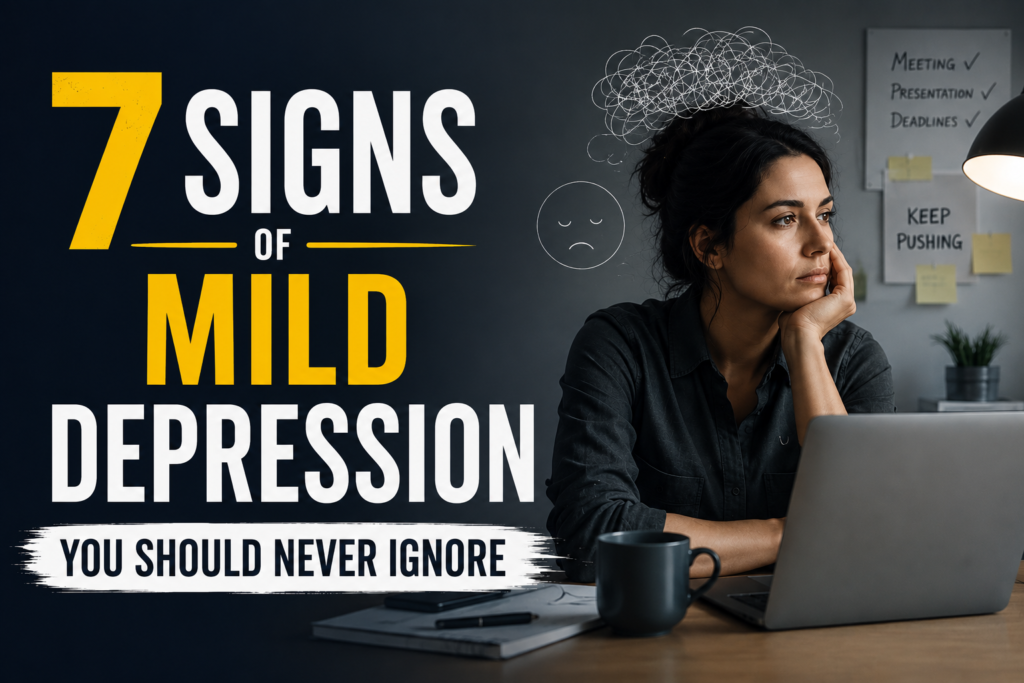
7 Signs of High-Functioning Depression You Should Never Ignore

7 Signs of High-Functioning Depression You Should Never Ignore

Many people assume that depression always looks the same—persistent sadness, lack of motivation, and difficulty getting out of bed. However, depression can sometimes be hidden behind a successful career, active social life, and daily responsibilities. This is often referred to as high-functioning depression. People with high-functioning depression may appear perfectly fine on the outside while struggling emotionally on the inside. Because they continue to work, study, and maintain relationships, their symptoms are often overlooked by friends, family members, and even healthcare providers. Understanding the warning signs can help individuals recognize when professional support may be needed. What Is High-Functioning Depression? High-functioning depression is not an official medical diagnosis, but it is commonly used to describe individuals who experience depressive symptoms while continuing to meet their daily responsibilities. Many people with high-functioning depression push themselves to maintain productivity despite feeling emotionally exhausted. Over time, this can lead to worsening symptoms and increased mental health challenges. Unlike major depressive episodes that may significantly disrupt daily life, high-functioning depression can remain hidden for months or even years. 1. Constant Fatigue Despite Adequate Rest One of the most common symptoms is persistent exhaustion. Even after getting a full night’s sleep, individuals may wake up feeling tired and mentally drained. Simple daily tasks can feel more difficult than they should. This fatigue often goes beyond normal tiredness and can affect concentration, motivation, and overall well-being. If you are also experiencing attention difficulties, you may benefit from learning more about ADHD and related conditions through our ADHD services page. 2. Loss of Interest in Activities Once Enjoyed People with high-functioning depression often continue participating in hobbies, work, and social events, but the enjoyment is no longer there. Activities that once brought excitement may begin to feel like obligations. This gradual loss of pleasure is known as anhedonia and is a common symptom of depressive disorders. 3. Perfectionism and Overworking Many individuals with high-functioning depression cope by staying busy. They may throw themselves into work, school, or personal projects as a way to avoid dealing with difficult emotions. While productivity can seem positive, excessive perfectionism and overworking may actually be warning signs of underlying emotional distress. These individuals often place unrealistic expectations on themselves and feel guilty when they are unable to meet them. 4. Persistent Self-Criticism Negative self-talk is another common symptom. People with high-functioning depression may appear confident externally while privately struggling with feelings of inadequacy. Common thoughts may include: “I’m not doing enough.” “Everyone else is doing better than me.” “I should be able to handle this.” Over time, these thought patterns can contribute to worsening depression and anxiety symptoms. If excessive worry is also present, our Anxiety Disorders resources may provide additional information about overlapping symptoms. 5. Difficulty Concentrating Depression can affect cognitive functioning. Individuals may notice: Increased forgetfulness Trouble focusing on tasks Difficulty making decisions Reduced productivity Because these symptoms overlap with conditions such as ADHD, professional evaluation is important to determine the underlying cause. Mental health professionals can assess whether symptoms are related to depression, anxiety, ADHD, or a combination of conditions. 6. Changes in Sleep Patterns Sleep disturbances frequently accompany depression. Some individuals sleep far more than usual, while others struggle with insomnia. Common sleep-related symptoms include: Difficulty falling asleep Frequent waking during the night Early morning awakening Excessive sleeping Poor sleep can worsen emotional symptoms and contribute to increased fatigue throughout the day. 7. Feeling Empty Even When Life Appears Fine Perhaps the most overlooked symptom is a persistent sense of emptiness. From the outside, everything may appear successful. The individual may have a stable career, supportive relationships, and financial security. Yet internally, they may feel disconnected, emotionally numb, or unable to experience genuine happiness. Because there is often no obvious external crisis, many people dismiss these feelings and delay seeking help. Why High-Functioning Depression Often Goes Undiagnosed One reason high-functioning depression is difficult to identify is that individuals continue functioning in their daily lives. Friends, coworkers, and family members may not recognize the emotional struggle taking place beneath the surface. In many cases, people believe they should simply “push through” their symptoms. Unfortunately, untreated depression can gradually worsen and increase the risk of more severe mental health challenges. When Should You Seek Professional Help? You should consider speaking with a mental health professional if symptoms: Persist for more than two weeks Affect work or school performance Impact relationships Cause significant emotional distress Interfere with daily functioning Early intervention can help prevent symptoms from becoming more severe. A comprehensive evaluation can determine whether depression, anxiety, mood disorders, ADHD, or other conditions may be contributing to your symptoms. You may also find our Mood Disorders resources helpful for understanding related mental health conditions. Final Thoughts High-functioning depression is often hidden behind achievement, productivity, and outward success. However, the emotional burden can be significant. Recognizing symptoms such as chronic fatigue, self-criticism, concentration difficulties, loss of enjoyment, and emotional emptiness is the first step toward getting support. Seeking professional help is not a sign of weakness. With proper treatment and support, individuals can improve their mental health, strengthen relationships, and regain a greater sense of fulfillment in daily life.

7 Signs of High-Functioning Depression You Should Never Ignore Read More »

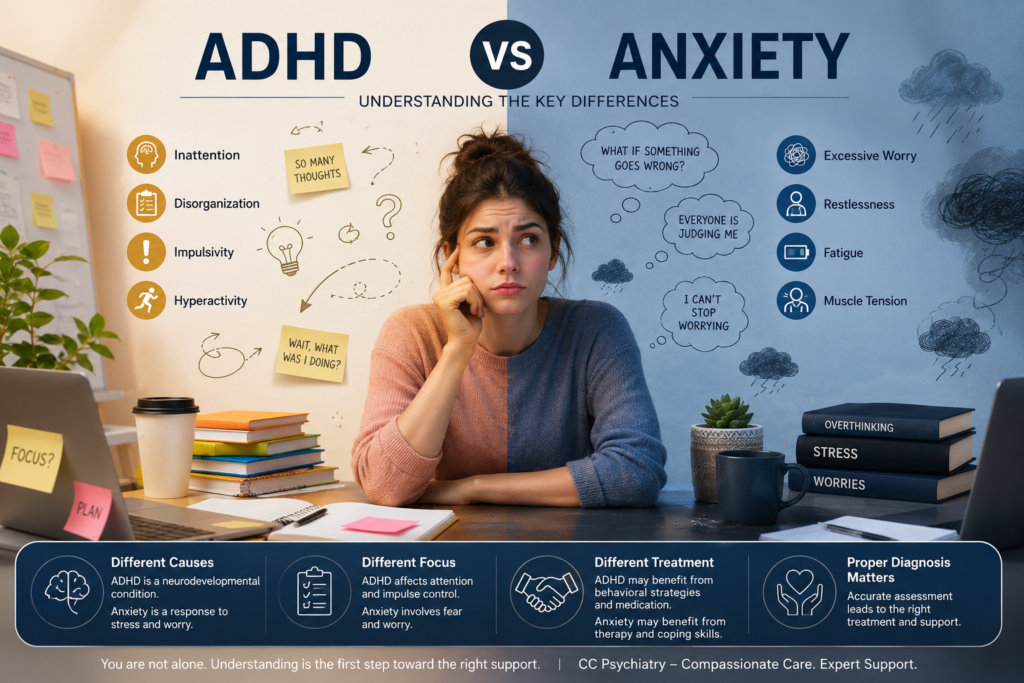
ADHD vs Anxiety: Understanding the Key Differences

ADHD vs Anxiety: Understanding the Key Differences

Many people struggle with difficulty concentrating, restlessness, forgetfulness, and feeling overwhelmed. Because these symptoms can occur in both Attention-Deficit/Hyperactivity Disorder (ADHD) and anxiety disorders, it is often difficult to tell them apart. While ADHD and anxiety can look similar on the surface, they are two distinct conditions that require different approaches to diagnosis and treatment. Understanding the differences can help individuals seek the right support and improve their quality of life. What Is ADHD? Attention-Deficit/Hyperactivity Disorder (ADHD) is a neurodevelopmental condition that affects attention, impulse control, and executive functioning. ADHD commonly begins in childhood but often continues into adulthood. Common symptoms of ADHD include: Difficulty maintaining focus Frequent forgetfulness Poor organization Impulsivity Restlessness Trouble completing tasks Difficulty managing time People with ADHD may know what they need to do but struggle to stay focused long enough to complete it. What Is Anxiety? Anxiety is a mental health condition characterized by excessive worry, fear, or nervousness that interferes with daily functioning. Occasional anxiety is normal, but persistent anxiety can affect relationships, work performance, sleep, and overall well-being. Common symptoms include: Excessive worrying Racing thoughts Muscle tension Difficulty sleeping Irritability Panic attacks Avoidance of stressful situations Unlike ADHD, anxiety is primarily driven by fear and worry about future events or perceived threats. Similar Symptoms Between ADHD and Anxiety Because both conditions affect concentration and emotional regulation, they often appear similar. Shared symptoms may include: Difficulty Concentrating Individuals with ADHD may lose focus because their attention constantly shifts. Individuals with anxiety may struggle to concentrate because their minds are occupied by worries and intrusive thoughts. Restlessness Both conditions can create a feeling of being unable to sit still or relax. Sleep Problems Difficulty falling asleep or staying asleep is common in both ADHD and anxiety disorders. Emotional Dysregulation People with either condition may experience frustration, irritability, or emotional overwhelm. These overlapping symptoms often lead to confusion and delayed diagnosis. Key Differences Between ADHD and Anxiety Although they share certain characteristics, important differences exist. Source of Attention Problems ADHD: Attention difficulties occur because the brain struggles with focus and executive functioning. Anxiety: Attention problems occur because worry consumes mental energy and attention. Thought Patterns ADHD: Thoughts may jump rapidly from one topic to another. Anxiety: Thoughts are usually centered around fears, concerns, or worst-case scenarios. Task Avoidance ADHD: Tasks may be avoided because they feel boring or difficult to organize. Anxiety: Tasks may be avoided because they create fear or worry. Timing of Symptoms ADHD: Symptoms are generally lifelong and often begin during childhood. Anxiety: Symptoms may develop at any stage of life and can fluctuate depending on stress levels. Can Someone Have Both ADHD and Anxiety? Yes. Research shows that ADHD and anxiety frequently occur together. Many individuals diagnosed with ADHD also experience anxiety disorders. In some cases, untreated ADHD can create chronic stress that eventually contributes to anxiety. For example: Missing deadlines Forgetting responsibilities Struggling academically Experiencing workplace challenges These ongoing difficulties can increase anxiety over time. When both conditions exist together, treatment should address each condition appropriately. How ADHD and Anxiety Are Diagnosed Diagnosis requires a comprehensive evaluation by a qualified mental health professional. The assessment may include: Medical history review Symptom questionnaires Clinical interviews Behavioral observations Family history assessment Because ADHD and anxiety symptoms overlap, professional evaluation is important to ensure an accurate diagnosis. Self-diagnosis based solely on online information can be misleading. Treatment Options for ADHD Treatment plans vary depending on the individual’s needs. Common approaches include: Medication Certain medications can improve attention, focus, and impulse control. Behavioral Therapy Therapy helps individuals develop organizational skills, time-management strategies, and coping techniques. Lifestyle Changes Healthy habits can significantly improve symptoms: Regular exercise Consistent sleep schedule Structured routines Balanced nutrition Treatment Options for Anxiety Anxiety treatment often includes: Cognitive Behavioral Therapy (CBT) CBT helps individuals identify and challenge negative thought patterns. Medication Certain medications may reduce excessive worry and physical symptoms of anxiety. Stress Management Techniques Helpful strategies include: Mindfulness Deep breathing exercises Meditation Physical activity When Should You Seek Professional Help? You should consider seeking professional support if symptoms: Interfere with work or school Affect relationships Cause emotional distress Impact sleep and daily functioning Continue for several months Early intervention can improve outcomes and help individuals develop effective coping strategies. Final Thoughts ADHD and anxiety share many symptoms, which can make them difficult to distinguish. However, understanding the root cause of concentration problems, restlessness, and emotional challenges can help identify the correct condition. Whether symptoms are caused by ADHD, anxiety, or a combination of both, professional evaluation is the best way to receive an accurate diagnosis and personalized treatment plan. Seeking help is an important step toward improved mental health, better productivity, and a higher quality of life.

ADHD vs Anxiety: Understanding the Key Differences Read More »

Living with Anxiety: When Worry Becomes More Than Just Stress

Living with Anxiety: When Worry Becomes More Than Just Stress

There’s a version of anxiety that most of us are familiar with — the jittery feeling before a job interview, the restless night before a big presentation, the knot in your stomach when you’re waiting for important news. That kind of anxiety is normal. It’s even useful. It sharpens our focus, pushes us to prepare, and passes once the moment does. But then there’s a different kind of anxiety altogether. The kind that doesn’t pass. The kind that shows up without warning, follows you into quiet moments, and slowly starts limiting the life you want to live. That’s when anxiety stops being a natural response to stress and becomes a condition that deserves real attention. As a psychiatrist here in New Jersey, I want to walk you through what anxiety disorders actually look like, why they’re more common than most people realize, and what effective treatment can genuinely do for your quality of life. Anxiety Disorders Are Not ‘Just Stress’ One of the most common things I hear from patients is: ‘I didn’t think it was serious enough to see a doctor about. I thought everyone felt like this.’ The truth is, anxiety disorders are the most prevalent mental health condition in the United States. Yet they remain chronically underdiagnosed and undertreated — largely because people assume what they’re experiencing is just stress, or a personality trait, or something they should be able to push through on their own. Anxiety disorders are real medical conditions. They have identifiable patterns, neurological underpinnings, and research-backed treatments. You wouldn’t tell someone with asthma to ‘just breathe through it.’ The same respect should apply to anxiety. Types of Anxiety Disorders Anxiety isn’t a single, uniform experience. It comes in several distinct forms, and understanding which type you’re dealing with matters for treatment: Generalized Anxiety Disorder (GAD) Persistent, excessive worry about multiple areas of life — work, health, family, finances — that’s difficult to control and present more days than not. People with GAD often feel chronically tense, fatigued, and on edge. Panic Disorder Recurrent panic attacks — sudden surges of intense fear that peak within minutes, often accompanied by heart pounding, shortness of breath, dizziness, and a terrifying sense that something is very wrong. Many people end up in the ER convinced they’re having a heart attack. Social Anxiety Disorder Far beyond shyness, social anxiety involves intense fear of being judged, humiliated, or rejected in social situations. It can make everyday interactions — eating in front of others, speaking in meetings, making phone calls — feel overwhelming or impossible. Specific Phobias An intense, irrational fear of a specific object or situation — flying, heights, medical procedures, certain animals. The fear is disproportionate to actual danger and leads to active avoidance. Separation Anxiety Disorder Though often thought of as a childhood condition, separation anxiety can persist into or develop during adulthood, causing significant distress around separation from attachment figures. What Anxiety Feels Like From the Inside People who haven’t experienced clinical anxiety sometimes struggle to understand why it’s so debilitating. The body’s stress response — the ‘fight or flight’ system — is supposed to activate temporarily in response to real threats. In anxiety disorders, this system fires too easily, too intensely, and often without a clear trigger. Here’s what that can feel like day to day: Physical: muscle tension, headaches, stomach problems, racing heart, fatigue, difficulty sleeping Cognitive: intrusive ‘what if’ thoughts, difficulty concentrating, catastrophizing, mental fog Behavioral: avoiding people, places, or situations that trigger anxiety; canceling plans; withdrawal Emotional: dread, irritability, a persistent sense of impending doom with no clear reason Over time, avoidance — which temporarily relieves anxiety — actually reinforces it and gradually shrinks the world a person feels safe in. This is one reason early treatment matters so much. Anxiety in Children and Teens Anxiety doesn’t only affect adults. In fact, it’s the most common mental health condition in children and adolescents. But it often looks different in younger patients — and gets missed as a result. An anxious child might refuse to go to school, have frequent stomachaches with no medical cause, cling to parents, become perfectionistic about schoolwork, or struggle enormously with transitions. Teens with anxiety may withdraw socially, underperform academically, or turn to avoidance behaviors that look like laziness or attitude from the outside. Identifying anxiety early in children gives us a meaningful window to intervene before avoidance patterns become deeply entrenched. As a child and adolescent psychiatrist, this is work I find especially important. Treatment That Actually Works Anxiety disorders are among the most treatable mental health conditions. With the right care, the majority of people experience significant improvement. Treatment typically involves some combination of: Evidence-based psychotherapy, particularly Cognitive Behavioral Therapy (CBT), which directly targets the thought patterns and avoidance behaviors that fuel anxiety Medication management — SSRIs, SNRIs, and other medications that help regulate the neurological systems involved in anxiety Lifestyle and behavioral strategies — sleep, exercise, and stress management that support brain health Family involvement, especially when treating children or adolescents Our anxiety disorder treatment in NJ at Complete Care Psychiatry is designed around a thorough understanding of each patient’s specific experience. There is no generic anxiety plan — because anxiety doesn’t come in one shape, and neither do the people who live with it. When Should You Reach Out? If anxiety is consistently interfering with your work, your relationships, your sleep, or your ability to do things you want to do — that’s a signal worth taking seriously. You don’t need to be in crisis to deserve care. You don’t need to have had a panic attack. You don’t need to have ‘hit rock bottom.’ If anxiety is quietly narrowing your life, that’s enough reason to talk to someone. The goal of treatment isn’t to eliminate all worry — some worry is healthy and human. The goal is to get anxiety back to a level where it’s manageable, where it doesn’t make decisions for you, and where you have your life back. Complete

Living with Anxiety: When Worry Becomes More Than Just Stress Read More »

Hyper Child or ADHD? What NJ Parents Need to Know

Hyper Child or ADHD? What NJ Parents Need to Know

Every parent has been there. Your child can’t sit still at dinner, forgets their homework for the third time this week, and seems to be living on a completely different frequency from everyone else in the room. You brush it off — ‘all kids are like this sometimes’ — but deep down, a quiet question starts forming: Is something more going on here? As a psychiatrist practicing in New Jersey, I hear this question from parents almost every single week. And honestly? It’s one of the most important questions you can ask. Because catching ADHD early, understanding it clearly, and treating it properly can genuinely change the trajectory of a child’s life. Let’s talk about what ADHD actually looks like, how it’s diagnosed, and what your options are — in plain, real language. What ADHD Actually Is (And What It Isn’t) ADHD stands for Attention-Deficit/Hyperactivity Disorder, and it is one of the most misunderstood conditions in pediatric mental health. The first thing most people get wrong: ADHD is not simply about being ‘hyper’ or ‘unfocused.’ It’s a neurodevelopmental disorder — meaning it’s rooted in how the brain develops and functions, not in a child’s personality or a parent’s discipline. Children with ADHD often have difficulty regulating attention, impulse control, and activity levels. But here’s something surprising: many kids with ADHD can hyperfocus intensely on things they love — video games, art, sports — for hours. So the idea that they ‘just need to try harder’ misses the point entirely. There are three main presentations of ADHD: Predominantly Inattentive — trouble focusing, easily distracted, forgetful, often loses things Predominantly Hyperactive-Impulsive — constant movement, blurting out answers, difficulty waiting Combined Presentation — symptoms of both types Signs to Watch For in Children and Teens No two children with ADHD look exactly alike, but here are some common patterns that might signal it’s time to speak with a specialist: Consistently losing school materials, forgetting assignments, or missing deadlines despite reminders Difficulty waiting their turn, frequently interrupting conversations Seeming ‘checked out’ or daydreaming during class even when they clearly understand the material Emotional outbursts that seem disproportionate to the situation Trouble transitioning between tasks — starting one thing and abandoning it before finishing Poor sleep patterns, restlessness at bedtime Teachers often notice ADHD-related behaviors before parents do, simply because the structured classroom environment makes symptoms more visible. If your child’s teacher has mentioned concerns, take it seriously — they’re not criticizing your parenting. They’re giving you a heads-up worth following. ADHD in Adults: Yes, It’s Real Here’s something a lot of people don’t know: ADHD doesn’t disappear at 18. Many adults have lived their entire lives not realizing why they struggle to meet deadlines, maintain relationships, or follow through on projects. They’ve been told they’re lazy, disorganized, or ‘not living up to their potential’ their whole lives. Adult ADHD often looks different from childhood ADHD. The hyperactivity tends to become internal — a restless, racing mind rather than physical movement. Adults may struggle with: Chronic procrastination and difficulty prioritizing Forgetting important appointments, bills, or commitments Emotional dysregulation — feeling easily frustrated or overwhelmed Difficulty maintaining focus during long meetings or reading tasks An accurate diagnosis can be genuinely life-changing for adults who finally understand why certain things have always been so hard. How ADHD is Diagnosed There’s no single blood test or brain scan that diagnoses ADHD. Instead, it involves a comprehensive psychiatric evaluation that looks at symptom history, functional impairment across multiple settings (home, school, work), and ruling out other conditions that might look similar — like anxiety, sleep disorders, or learning disabilities. This is exactly why working with a qualified psychiatrist matters. A thorough evaluation takes time and requires clinical judgment, not just a checklist. Treatment: More Than Just Medication ADHD treatment is not one-size-fits-all. While medication is often a helpful component, effective ADHD care typically combines multiple approaches: Medication management — stimulant and non-stimulant options carefully matched to the individual Behavioral therapy — especially effective in younger children Parent coaching and family education School accommodations (IEPs, 504 plans) and academic support At Complete Care Psychiatry, our approach to ADHD treatment in NJ is built around understanding the whole person — not just managing symptoms. We work closely with patients and families to build sustainable, compassionate care plans that support long-term wellbeing. A Note to Parents Who Are Worried If you’ve spent the last few months wondering whether your child’s struggles are ‘normal,’ trust your instincts enough to get an evaluation. A professional assessment either gives you answers — or it rules ADHD out and points you toward what’s actually going on. Either way, you gain clarity. And clarity is where good care begins. You’re not failing your child by asking this question. You’re doing exactly what a good parent does.   Ready to take the next step? Contact Complete Care Psychiatry in NJ at drazfar@cc-psychiatry.com or call (702) 900-8831 to schedule a comprehensive evaluation.

Hyper Child or ADHD? What NJ Parents Need to Know Read More »