Burnout or Depression? How to Tell the Difference
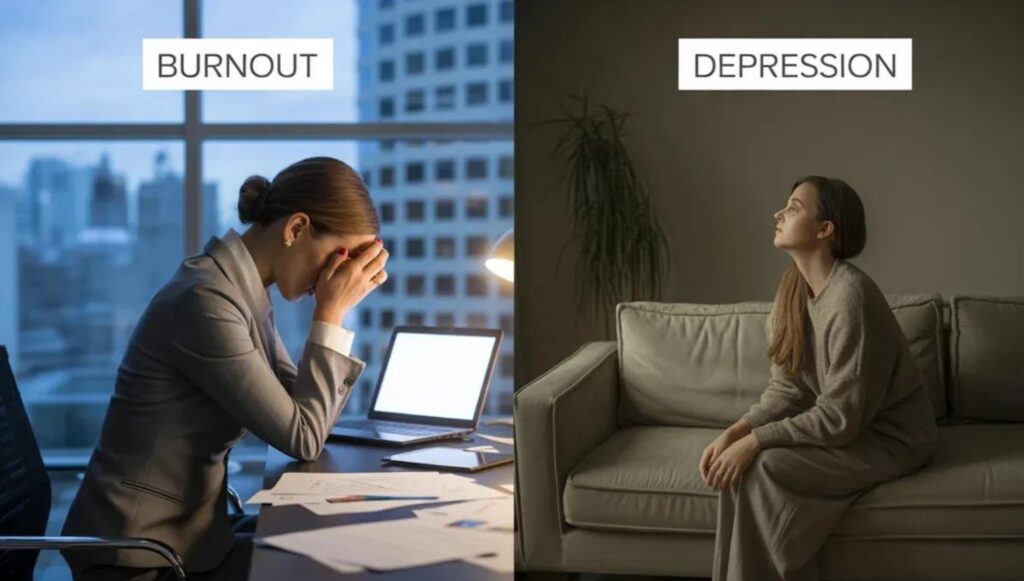
Feeling exhausted, unmotivated, or emotionally drained can happen to anyone. Sometimes these feelings are the result of prolonged stress and burnout. Other times, they may be signs of depression. The two can look surprisingly similar, which can make it difficult to know what you are experiencing. Understanding the differences between burnout and depression can help you recognize when everyday stress has become something that deserves professional attention. What Is Burnout? Burnout is a state of physical and emotional exhaustion that can develop after prolonged or excessive stress. It is often associated with demanding jobs, caregiving responsibilities, academic pressure, or other situations where a person feels overwhelmed for an extended period of time. Someone experiencing burnout may feel mentally drained, frustrated, irritable, or disconnected from their responsibilities. Common signs of burnout include: Feeling physically and emotionally exhausted Becoming easily frustrated or irritated Feeling overwhelmed by responsibilities Losing motivation Difficulty concentrating Feeling detached or cynical Experiencing stress-related physical symptoms Feeling like you cannot keep up with daily demands One important characteristic of burnout is that the symptoms are often strongly connected to a particular source of ongoing stress. What Is Depression? Depression is more than feeling sad after a difficult day or having a stressful week. It is a mental health condition that can affect mood, thoughts, behavior, sleep, appetite, energy, and relationships. Depression may involve: Persistent sadness or emptiness Loss of interest in activities you once enjoyed Low energy Changes in sleep Changes in appetite Difficulty concentrating Feelings of guilt or worthlessness Hopelessness Social withdrawal If you want to learn more about depression symptoms, read our guide on 7 Signs of Mild Depression You Should Never Ignore. Burnout vs. Depression: What’s the Difference? The biggest difference often comes down to what triggers the symptoms and how widely they affect your life. With burnout, symptoms are usually connected to a specific source of prolonged stress. For example, someone may feel exhausted and frustrated because of an overwhelming workload but feel significantly better after taking time away from work. Depression can affect a person’s overall life, even when the original source of stress is removed. Someone experiencing depression may continue feeling hopeless, emotionally numb, exhausted, or uninterested in activities even after getting adequate rest or taking time away from their responsibilities. However, burnout and depression can also occur at the same time. Long-term stress and burnout may contribute to worsening emotional health, while depression can make everyday responsibilities feel overwhelming and exhausting. 5 Signs It May Be More Than Burnout 1. You Have Lost Interest in Things You Normally Enjoy Burnout may make you dislike your job or feel tired of certain responsibilities. Depression can go further. You may lose interest in hobbies, social activities, relationships, or other things that previously made you happy. 2. You Feel Hopeless Feeling frustrated because of a difficult situation is different from feeling like things will never improve. Persistent hopelessness can be an important warning sign of depression. 3. Your Symptoms Continue Even After Rest If you take time away from work or your usual responsibilities but still feel emotionally exhausted, empty, or disconnected, it may be worth exploring whether something beyond burnout is happening. 4. Your Whole Life Feels Affected Burnout may initially center around one area of life. Depression can affect multiple areas, including your relationships, sleep, appetite, motivation, work, and ability to enjoy everyday activities. 5. You Feel Worthless or Excessively Guilty Self-criticism can happen when someone is overwhelmed. However, persistent feelings of worthlessness or excessive guilt can be associated with depression and should not be ignored. Can Burnout Turn Into Depression? Burnout and depression are different conditions, but prolonged stress can have a significant impact on emotional well-being. When someone remains under intense pressure without adequate recovery, their emotional and physical resources can become depleted. If symptoms continue to worsen or begin affecting areas of life beyond the original source of stress, professional evaluation can help determine whether depression or another mental health condition may be involved. How Can You Tell Which One You Have? It is not always possible to determine the difference on your own. Ask yourself: Do I feel better when I get away from the source of stress? Have I stopped enjoying things I normally like? Are my sleep or eating habits changing? Am I withdrawing from friends and family? Do I feel hopeless or worthless? Are my symptoms affecting multiple areas of my life? Have these feelings continued despite getting enough rest? These questions are not a diagnosis, but they can help you recognize patterns that may deserve further attention. When Should You Talk to a Mental Health Professional? You do not have to wait until your symptoms become severe before seeking help. If exhaustion, low mood, anxiety, loss of motivation, or emotional withdrawal are interfering with your work, relationships, or daily life, speaking with a mental health professional can help you better understand what you are experiencing. A professional evaluation can help distinguish between burnout, depression, anxiety, and other mood-related concerns. If depression symptoms are affecting your daily life, you can learn more about Depressive Disorders treatment and available treatment options. You can also explore Mood Disorders care to learn more about evaluation and treatment for mood-related concerns. Treatment Depends on the Underlying Cause There is no single solution for everyone. If burnout is primarily caused by ongoing stress, treatment may involve identifying stressors, establishing healthier boundaries, improving coping strategies, getting adequate rest, and making changes to daily routines. If depression is present, treatment may involve psychotherapy, medication, lifestyle changes, or a combination of approaches depending on the individual’s needs. The first step is understanding what is actually causing your symptoms. Final Thoughts Burnout and depression can feel very similar, but they are not the same thing. Burnout is often closely connected to prolonged stress, while depression can affect a person’s overall emotional and physical well-being across different areas of life. If you have been feeling exhausted, disconnected, hopeless, or unlike yourself for an extended period,
Burnout or Depression? How to Tell the Difference Read More »