
Adult ADHD: Signs That Often Go Unnoticed
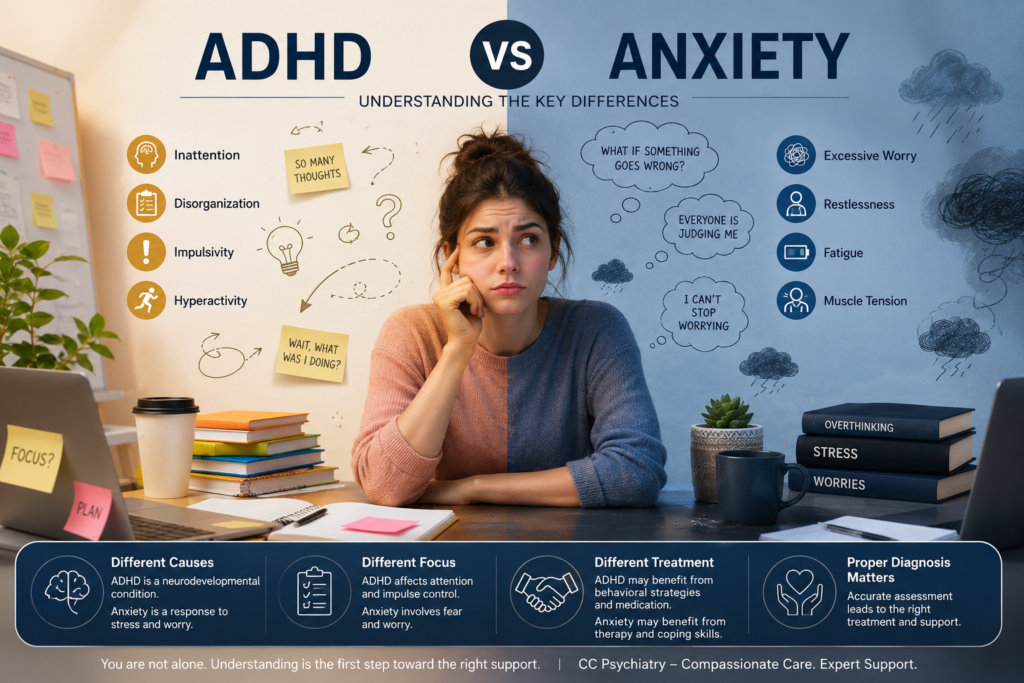
When people hear the term ADHD, they often picture a child who cannot sit still, interrupts frequently, or struggles to pay attention in school. But ADHD does not disappear when childhood ends. Many adults live with symptoms for years without realizing that ADHD may be affecting their work, relationships, daily responsibilities, and emotional well-being. Because adult ADHD does not always look like the stereotypical image of hyperactivity, its signs can be easy to overlook. Some adults may be seen as disorganized, forgetful, overwhelmed, impulsive, or constantly stressed without understanding the underlying reason. Recognizing the signs is an important first step toward getting the right support. What Does ADHD Look Like in Adults? Attention-deficit/hyperactivity disorder (ADHD) can affect people differently. While some adults experience noticeable hyperactivity, others primarily struggle with attention, organization, time management, and emotional regulation. Adult ADHD may show up in everyday situations such as: Frequently forgetting appointments, deadlines, or important tasks Starting projects but struggling to finish them Feeling overwhelmed by routine responsibilities Having difficulty organizing work or managing time Constantly losing items such as keys, phones, or documents Procrastinating even when a task is important Becoming easily distracted during conversations or work Interrupting others or making impulsive decisions Feeling restless or finding it difficult to relax These challenges are sometimes dismissed as laziness, poor discipline, stress, or simply having a busy life. However, when these patterns are persistent and interfere with daily functioning, it may be worth exploring whether ADHD is involved. 1. Chronic Disorganization and Difficulty Managing Daily Tasks One of the most overlooked signs of adult ADHD is ongoing difficulty with organization. This can include a cluttered workspace, missed deadlines, unpaid bills, forgotten commitments, or trouble keeping track of multiple responsibilities. Even simple tasks can feel overwhelming when there are too many steps involved. An adult with ADHD may have good intentions and genuinely want to stay organized but still struggle to maintain routines consistently. 2. Procrastination That Feels Impossible to Control Everyone procrastinates occasionally. However, for some adults with ADHD, procrastination can become a recurring and frustrating pattern. A person may know that a task is important and still find it extremely difficult to begin. They may wait until the last minute, work under intense pressure, and then repeat the same cycle again. This can create stress, guilt, and frustration, especially when others assume the person simply is not trying hard enough. 3. Trouble Staying Focused Difficulty concentrating is one of the most recognized symptoms of ADHD, but in adults, it may not always be obvious. Someone may lose focus during meetings, conversations, reading, or routine tasks. They might frequently switch between projects without completing them or become distracted by unrelated thoughts and activities. Interestingly, some people with ADHD can also become intensely focused on something they find interesting. This pattern of struggling to focus on certain tasks while becoming deeply absorbed in others can sometimes make ADHD harder to recognize. 4. Constantly Feeling Overwhelmed Daily responsibilities such as work, family obligations, appointments, finances, and household tasks can feel especially difficult for adults with ADHD. Even when the number of responsibilities is manageable, organizing and prioritizing them may feel overwhelming. This can lead to avoidance, procrastination, and a growing feeling that life is constantly out of control. 5. Forgetfulness That Affects Everyday Life Occasionally forgetting something is normal. However, frequent forgetfulness can become disruptive. An adult with ADHD may: Forget why they entered a room Miss appointments Forget important dates or conversations Misplace essential items Lose track of tasks they intended to complete These issues can affect professional performance and relationships, particularly when others misunderstand forgetfulness as a lack of care or effort. 6. Impulsivity and Difficulty Thinking Before Acting ADHD is not only about attention. Some adults also experience impulsivity. This may include interrupting conversations, making quick decisions without fully considering the consequences, impulsive spending, or reacting emotionally before having time to think. Impulsivity can create challenges in relationships, work environments, and financial decision-making. 7. Emotional Frustration and Low Self-Esteem Many adults with undiagnosed ADHD spend years wondering why everyday tasks seem harder for them than for other people. Repeated struggles with deadlines, organization, focus, and follow-through can gradually affect self-confidence. Over time, a person may begin to believe they are lazy, careless, or incapable, even when they are working extremely hard to keep up. This emotional impact is one reason why recognizing ADHD can be so important. ADHD or Anxiety? Understanding the Difference ADHD and anxiety can sometimes appear similar. Both may involve difficulty concentrating, restlessness, racing thoughts, and feeling overwhelmed. However, the underlying causes can be different. For example, anxiety-related concentration problems may be driven by excessive worry, while ADHD-related difficulties may involve persistent challenges with attention, organization, and impulse control. Because symptoms can overlap, it is important to understand the differences. You can learn more in our related article, ADHD vs Anxiety: Understanding the Key Differences. A proper evaluation can help identify whether symptoms are related to ADHD, anxiety, or another mental health concern. ADHD Symptoms Can Begin in Childhood Although many people are diagnosed as adults, ADHD symptoms often begin earlier in life. Sometimes the signs were present during childhood but were not recognized. A child may have been described as forgetful, daydreamy, overly energetic, disruptive, or unable to focus. In other cases, symptoms may have been less obvious and therefore overlooked. For parents who are concerned about whether a child’s behavior may be related to ADHD, our article Hyper Child or ADHD? What NJ Parents Need to Know can provide helpful insight into the differences between normal childhood energy and symptoms that may require further evaluation. When Should You Consider an ADHD Evaluation? It may be helpful to seek a professional evaluation if difficulties with focus, organization, impulsivity, or time management are consistently affecting your life. An evaluation can help provide a clearer understanding of your symptoms and determine whether ADHD or another condition may be contributing to your challenges. At Comprehensive Care Psychiatry, our ADHD evaluation
Adult ADHD: Signs That Often Go Unnoticed Read More »