
Feeling Emotionally Overwhelmed? 8 Signs It May Be More Than Everyday Stress
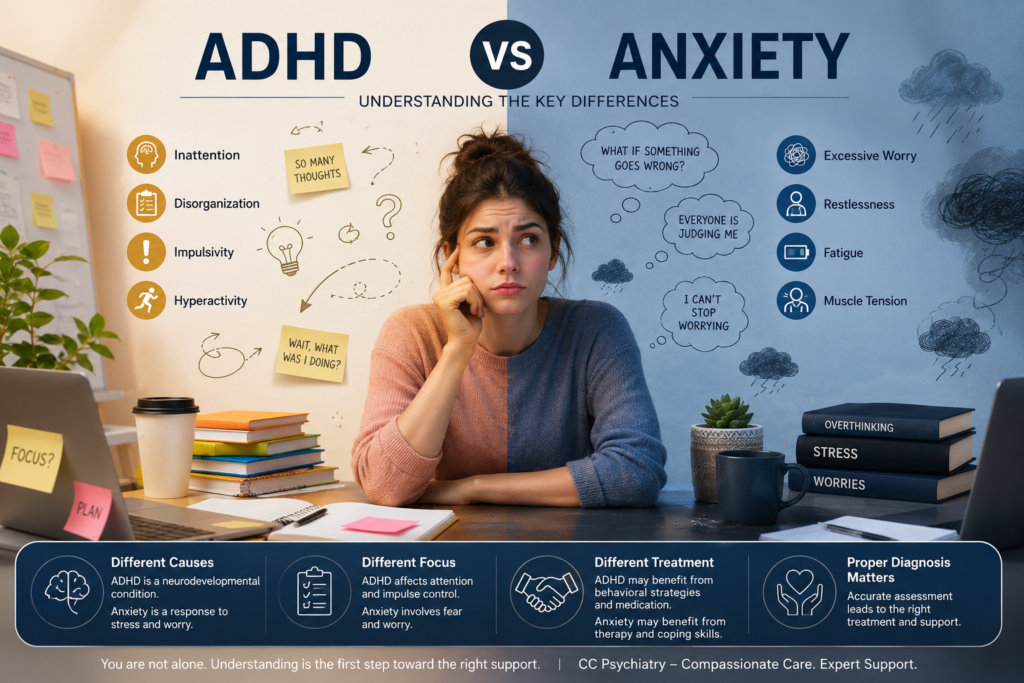
Everyone feels overwhelmed from time to time. Work deadlines, family responsibilities, financial concerns, relationship problems, and major life changes can all create temporary stress. But what happens when feeling overwhelmed becomes your normal? When emotional pressure continues for weeks or begins interfering with your sleep, relationships, work, or daily responsibilities, it may be worth taking a closer look at what is happening. Feeling overwhelmed doesn’t automatically mean you have a mental health disorder. However, persistent emotional distress can sometimes occur alongside anxiety, depression, adjustment disorders, or other mental health concerns. What Does Emotional Overwhelm Feel Like? Emotional overwhelm can happen when your perceived demands feel greater than your ability to cope with them. You might feel like your mind is constantly busy. Even simple tasks can feel exhausting, and you may struggle to decide what to do first. Common experiences include: Feeling mentally exhausted Difficulty concentrating Becoming easily irritated Constantly worrying Feeling unable to relax Losing motivation Avoiding responsibilities Feeling emotionally drained These experiences can overlap with several mental health conditions, which is why context and professional evaluation matter. 8 Signs Your Stress May Need More Attention 1. You Feel Overwhelmed Almost Every Day Temporary stress usually improves when the situation causing it changes. If you constantly feel overwhelmed even when nothing particularly stressful is happening, it may be worth exploring why. 2. Your Thoughts Won’t Slow Down Constantly thinking about problems, possible mistakes, or future situations can make it difficult to relax. Persistent worrying is one of the common features associated with anxiety. If worry is becoming difficult to control, learn more about Anxiety Disorders and how they can affect daily functioning. 3. You’re Losing Interest in Things You Used to Enjoy Stress can temporarily reduce your enthusiasm for hobbies and social activities. However, a lasting loss of interest or pleasure can also be associated with depression. Our article 7 Signs of Mild Depression You Should Never Ignore discusses some of the less obvious changes that can occur with depression. 4. Your Concentration Is Getting Worse When your mind is overloaded, concentrating can become difficult. But persistent attention problems aren’t always caused by stress. ADHD can also affect focus, organization, time management, and task completion. Because ADHD and anxiety can sometimes look similar, our article ADHD vs. Anxiety: Understanding the Key Differences explains some of the important differences. If attention difficulties are consistently affecting your work, education, or relationships, an ADHD evaluation and treatment may be worth discussing with a qualified professional. 5. Your Sleep Has Changed Emotional distress can affect sleep in several ways. You may have trouble falling asleep because your mind won’t stop thinking, wake up repeatedly during the night, or feel exhausted despite sleeping for a long time. Changes in sleep are especially important when they occur alongside persistent changes in mood or anxiety. 6. You’re Avoiding People When you’re emotionally overwhelmed, you may start cancelling plans, ignoring messages, or avoiding conversations. Occasional alone time is normal. But withdrawing from people you care about for an extended period can be a sign that something deeper may be happening. 7. Small Problems Feel Huge When your emotional resources are already depleted, even minor problems can feel impossible to handle. You may notice that you become frustrated quickly or have stronger emotional reactions than you normally would. This doesn’t mean you’re weak. It may simply indicate that you’re carrying more emotional pressure than you can comfortably manage. 8. Everyday Responsibilities Are Becoming Difficult One of the most important warning signs is a noticeable decline in daily functioning. You may struggle to: Complete work responsibilities Keep up with school Maintain relationships Take care of household responsibilities Stay organized Follow normal routines When emotional symptoms begin affecting important areas of your life, professional support may be appropriate. Stress, Anxiety, or Depression? These conditions can overlap, but they aren’t identical. Stress is often connected to a specific challenge or situation and may improve when that stressor is resolved. Anxiety can involve persistent fear, worry, or anticipation of potential problems, sometimes even when there isn’t an immediate threat. Depression may involve persistent low mood, loss of interest, hopelessness, low energy, and changes in sleep or appetite. Because symptoms can overlap, it’s not always possible to determine the cause simply by reading about symptoms online. A qualified mental health professional can consider your symptoms, history, circumstances, and overall functioning before making a diagnosis. What Can You Do If You’re Feeling Overwhelmed? Start by identifying what has changed. Ask yourself: When did I first start feeling this way? Is it happening every day? Has my sleep changed? Am I avoiding people or responsibilities? Have I lost interest in things I normally enjoy? Is worry becoming difficult to control? Is this affecting my work, school, or relationships? Writing down your symptoms can help you recognize patterns and provide useful information during a professional evaluation. You can also explore practical stress-management strategies such as maintaining a consistent sleep routine, exercising regularly, staying socially connected, and breaking large responsibilities into smaller tasks. When Is It Time to Talk to a Professional? Consider seeking professional support when emotional distress: Continues for several weeks Keeps getting worse Interferes with work or school Affects your relationships Changes your sleep or appetite Causes persistent worry or low mood Makes normal responsibilities difficult At CC Psychiatry, comprehensive psychiatric evaluations and individualized treatment plans are available for children, adolescents, and adults experiencing a range of mental health concerns. The practice provides care for conditions including anxiety, depression, ADHD, and mood disorders. Final Thoughts Feeling overwhelmed occasionally is part of life. But when emotional exhaustion becomes persistent and starts affecting the way you work, sleep, think, or connect with others, it deserves attention. You don’t have to wait until symptoms become severe before seeking help. Understanding what you’re experiencing is the first step toward finding the right support and developing a healthier way to manage your mental well-being.
Feeling Emotionally Overwhelmed? 8 Signs It May Be More Than Everyday Stress Read More »